1. Germany Accuses Musk of Election Meddling

The German government has indicted Elon Musk of trying to sway their impending exigency election by supporting the far-right AfD party. Musk roughly criticised the being political parties, calling them ineffectual for the good of the country, while praising the party and asserting that it might” save” Germany. Some political leaders viewed his conditioning as a trouble to republic, while German officers denounced the reflections as indecorous. Not just the AfD has served from Musk’s public backing; other well- known right- wingers like Giorgia Meloni and Nigel Farage have also served. wide discussion over the influence of important people on political results, especially in republic, has been prodded by this argument. The pushback draws attention to worries about foreign meddling in domestic choices and the possible impacts. Musk’s commentary, according to critics, compromise the legality of Germany’s election process and might incite further outside hindrance. The circumstance has sparked debate about the boundaries of free expression and the scores of prominent people in political converse. Both the public and government leaders have taken notice of Musk’s conduct and are considering the ramifications of his influence.
2. German Solar Panel Industry Faces Decline
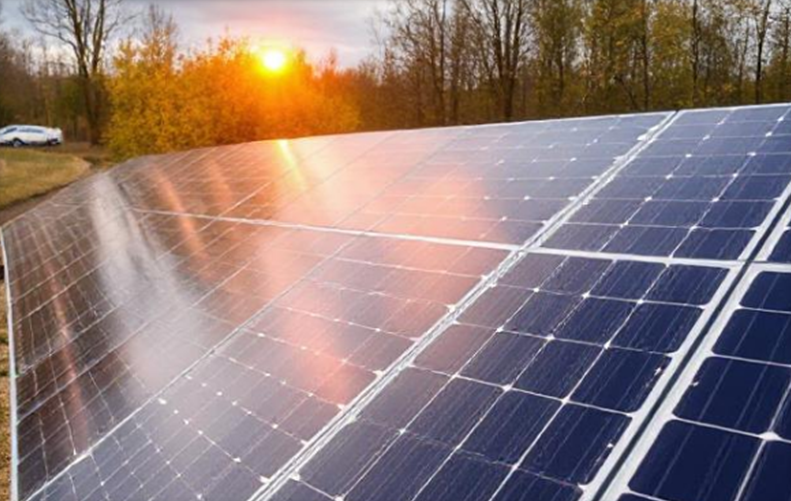
The cost of living extremity, declining energy prices, and high borrowing rates have all contributed to a sharp drop in demand for solar panels in Germany. With increased insolvencies and severance, the domestic sector has been most impacted, making solar panel investments less doable for numerous. The market has also been impacted by the reduction of government subventions and the rise of lower- priced significances from China. Mini photovoltaic systems have come extensively accepted by consumers despite these obstacles since they give a more practical and provident option. In light of profitable challenges, client preferences are evolving, as substantiated by this move towards lower systems. Once passing fast expansion, the assiduity now faces a tough climate due to the reduction in demand for larger solar installations. numerous businesses are chancing it delicate to acclimatize to the diminished request eventuality, which is putting further strain on their finances. Domestic manufacturers now face more difficulties as a result of the nonstop competition from cheaper significances. Due to a convergence of profitable variables, the German solar assiduity has changed, with some diligence prospering while others are still having difficulties.
3. Gisèle Pelicot Named France’s Personality of the Year

During a well reported rape trial against her ex-husband and fifty other men, Gisèle Pelicot bravely fought for justice and won France’s Personality of the Year award. Pelicot bravely gave up her identity, getting a public icon and kindling conversations about rape culture. Her desire to alter the social smirch attached to similar acts motivated her to speak up in malignancy of the particular cost. A wider discussion in France over the necessity of changing the country’s rape laws was sparked by Pelicot’s acts. Others were greatly moved by her frippery and were motivated to speak out against sexual violence. Together with other world leaders, the chairman of France confided her quality and the significant social impact of her position. The way the legal system views and handles rape has changed as a result of her campaigning. The case also brought attention to the difficulties survivors encounter while trying to gain justice. In France’s battle against sexual violence and its legal system, Pelicot’s battle is seen as a watershed moment. She has gained respect all throughout the world for her part in questioning the status quo, making her a global icon of justice.
4. Slovak PM Warns EU Over End of Russian Gas via Ukraine
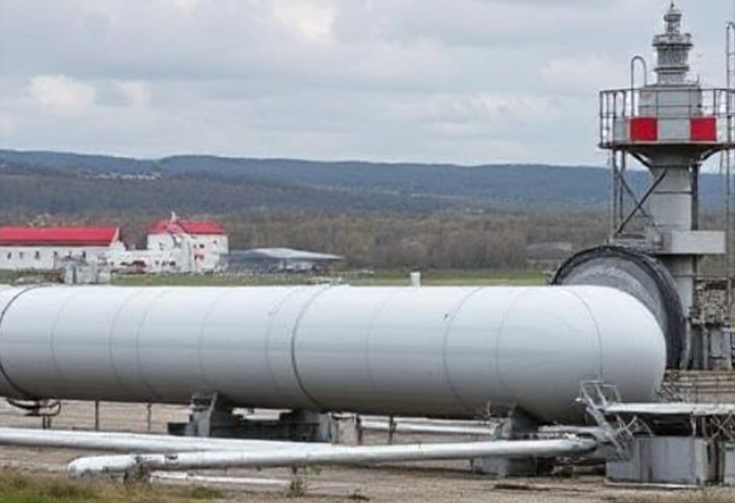
Slovakian Prime Minister Robert Fico said that the EU may suffer severe consequences if Russian gas stopped passing via Ukraine, which might bring over€ 120 billion over two times. In addition to venting enterprises about the anticipated increase in energy prices throughout Europe, he emphasised Slovakia’s reliance on Russian gas for conveyance payments, which would no longer be forthcoming. Slovakia has assured its occupants that there will not be any energy dearths by securing alternate gas sources in malignancy of these worries. Fico’s reflections are in line with broader geopolitical worries in Europe on energy security. Other EU countries should take a cue from Slovakia’s visionary approach to energy source security. His commentary punctuate how important it’s to diversify energy force networks in the face of unpredictability. Europe’s adding focus on energy security is a response to the changing geopolitical terrain. Fico’s warning emphasises the significance of adaptability and making plans for unborn energy demands as Europe navigates these difficulties. Slovakia’s energy threat mitigation enterprise are in line with larger European approaches to supply vulnerabilities. Policymakers in Europe are decreasingly placing a high decoration on the necessity for secure and varied energy sources.
